
NATURE & WILDLIFE
The Living Ridge of Thandiani
The Galiyat ridge is one of Pakistan's richest temperate ecosystems, and Thandiani sits at its wildest end, furthest from the crowds, closest to what the forest was. The wider protected forests of these hills hold over a hundred plant species, more than twenty mammals and two hundred recorded birds. Most visitors see only trees. Those who learn to look see much more.
INDIGENOUS CANOPY
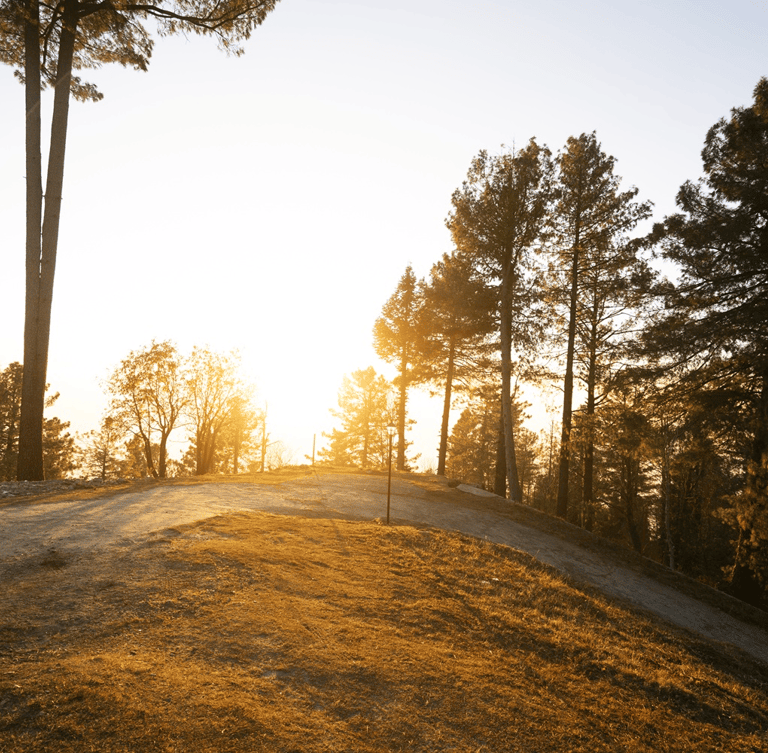
The forest
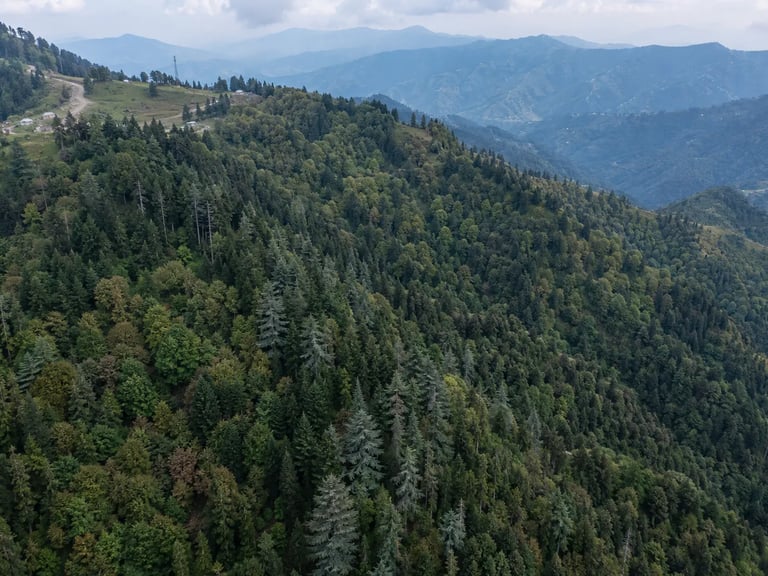
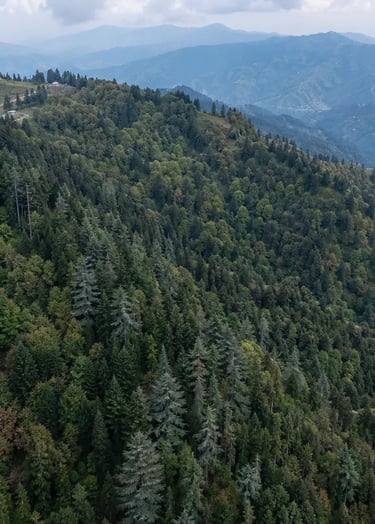
The slopes are dressed in deodar cedar, blue pine, silver fir, yew and oak, with horse chestnut in the folds. This is the forest that first drew the British up the ridge, and it remains the region's defining presence, regulating water, holding the slopes together, and cooling the air the way no machine can.
Among the undergrowth grow some twenty medicinal plant species used by hill communities for generations, a quiet pharmacy in the shade.
THANDIANI SPECIES
The mammals at the Ridge
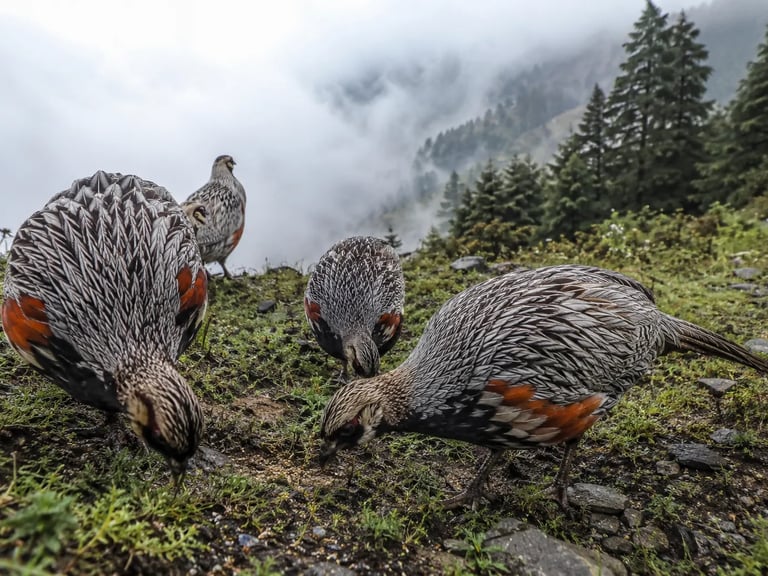
Koklass Pheasant
Thandiani is quietly excellent birding country. The stars are the Himalayan pheasants, the Koklass and the iridescent Kalij, heard crowing from the slopes at dawn far more often than seen.
Look also for the wedge-tailed green pigeon, the speckled wood pigeon, and, riding the thermals off the ridge, raptors that make binoculars worth their weight in your pack.
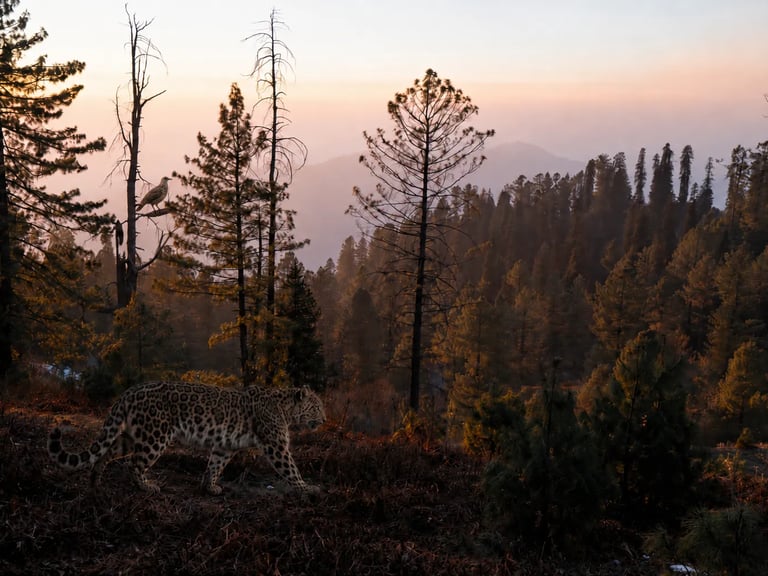
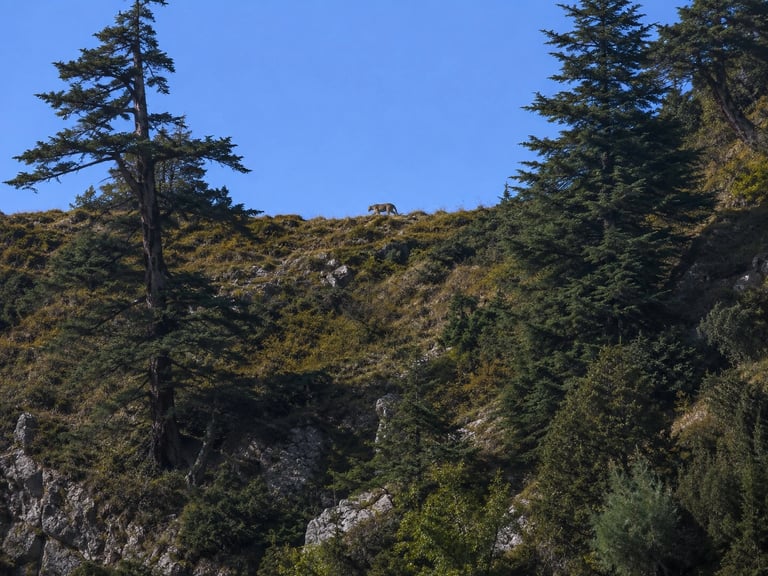
Leopard
The apex resident is the common leopard, genuinely present, genuinely elusive, most at home in the isolated pine reserves of Dagri to the west. Sightings are rare; pugmarks after fresh snow are less so.
Mammals
The forest also holds the leopard cat, red fox, golden jackal, yellow-throated marten and troops of monkeys that will find you before you find them. The most charming resident is the Kashmir flying squirrel, which sails between pines at dusk on a membrane of skin, one of the mountain's finest secrets, and worth an evening's patience.
FOREST UNDER PRESSURE
A Fragile Sanctuary
Honesty belongs in a guide: the Galiyat's ecosystem has carried a heavy load. Decades of unplanned construction and mass tourism further west have stressed forests, water and wildlife, which is precisely why conservation areas were created here from the 1980s onward, and why Thandiani's relative emptiness matters.
Every visitor is either part of the pressure or part of the protection. Stay on paths, take your litter down the mountain, light no fires among the pines, and leave the forest as capable of astonishing the next person as it was of astonishing you.
9,020 ft
Elevation of protected habitat
The high altitude isolates this ecosystem, making it highly vulnerable to climate shifts and unchecked foot traffic.
Visit Thandiani
thandiani.pk is an independent guide to Thandiani and the eastern Galiyat, published as a hobby. We keep the information current; the mountain does the rest.
DIRECTORY
editor@thandiani.pk
© 2026 - Visit Thandiani
UPDATED REGULARLY